This rare ceramic relief plaque (rerīfu) is an exceptional sculptural work by the highly influential post-war avant-garde master Kumakura Junkichi. Glazed in a rich, mottled green, the slab surface features a highly tactile, abstract relief design that breaks entirely from traditional ceramic forms. The artist's impressed seal is distinctly stamped in the upper left corner of the composition. The reverse side of the plaque is equipped with built-in wire mounts for wall hanging, explicitly positioning the work as a piece of sculptural fine art (obuje) rather than a functional vessel.
Curatorial Notes
Associated with the radical Sodeisha (Crawling through Mud Association) movement, Kumakura Junkichi was instrumental in revolutionizing 20th-century Japanese ceramics. Alongside contemporaries like Yasuo Hayashi, Junkichi rejected the utilitarian constraints of traditional Mingei pottery in favor of pure sculptural abstraction. His work often incorporated influences from jazz and modern architecture. This relief plaque perfectly captures his innovative approach to the medium, treating raw clay as a canvas for expressive, heavily textured landscape-like forms.
Condition & Provenance
The plaque is preserved in excellent vintage condition, with the heavy glaze and structural integrity fully intact. It is a rare surviving example of his wall-mounted relief work. Please note: This piece was acquired as a standalone artwork and does not include a wooden presentation box (tomobako).
Condition Note: Excellent; impressed artist seal on front; wire mounts on reverse. No tomobako.
Origin: Japan
Gallery Overview
This rare ceramic relief plaque (rerīfu) is an exceptional sculptural work by the highly influential post-war avant-garde master Kumakura Junkichi. Glazed in a rich, mottled green, the slab surface features a highly tactile, abstract relief design that breaks entirely from traditional ceramic forms. The artist's impressed seal is distinctly stamped in the upper left corner of the composition. The reverse side of the plaque is equipped with built-in wire mounts for wall hanging, explicitly positioning the work as a piece of sculptural fine art (obuje) rather than a functional vessel.
Curatorial Notes
Associated with the radical Sodeisha (Crawling through Mud Association) movement, Kumakura Junkichi was instrumental in revolutionizing 20th-century Japanese ceramics. Alongside contemporaries like Yasuo Hayashi, Junkichi rejected the utilitarian constraints of traditional Mingei pottery in favor of pure sculptural abstraction. His work often incorporated influences from jazz and modern architecture. This relief plaque perfectly captures his innovative approach to the medium, treating raw clay as a canvas for expressive, heavily textured landscape-like forms.
Condition & Provenance
The plaque is preserved in excellent vintage condition, with the heavy glaze and structural integrity fully intact. It is a rare surviving example of his wall-mounted relief work. Please note: This piece was acquired as a standalone artwork and does not include a wooden presentation box (tomobako).
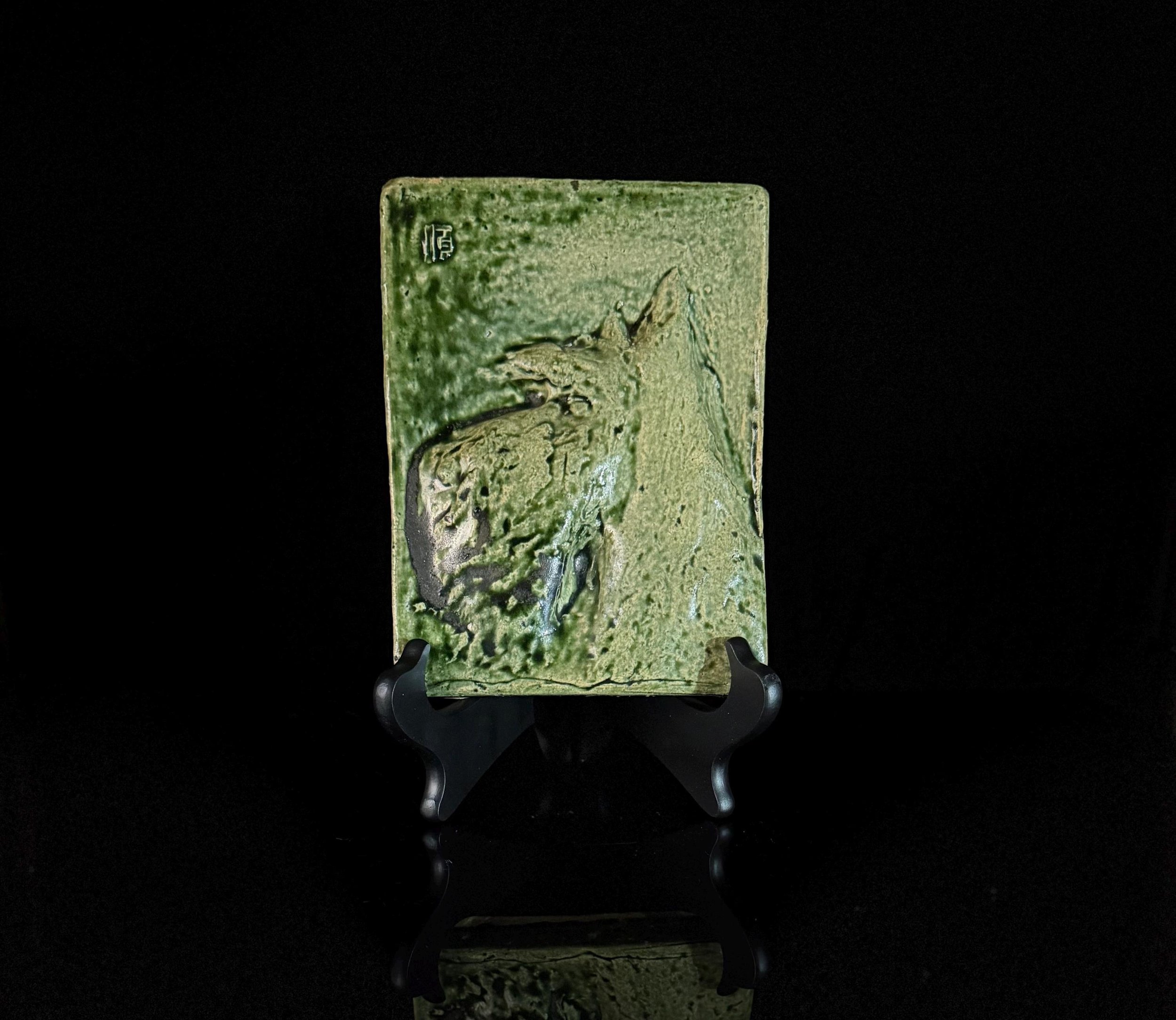 Image 1 of 5
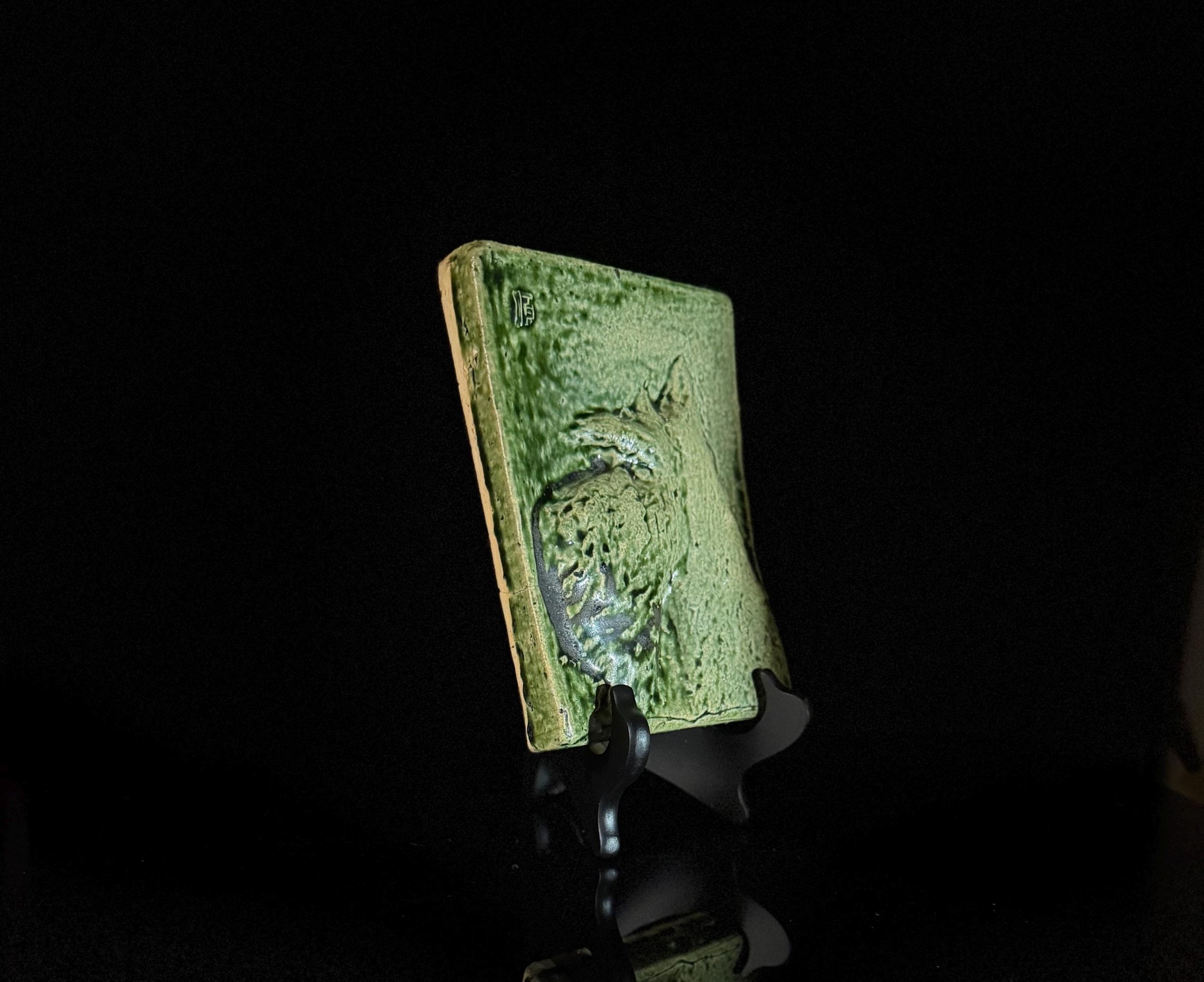 Image 2 of 5
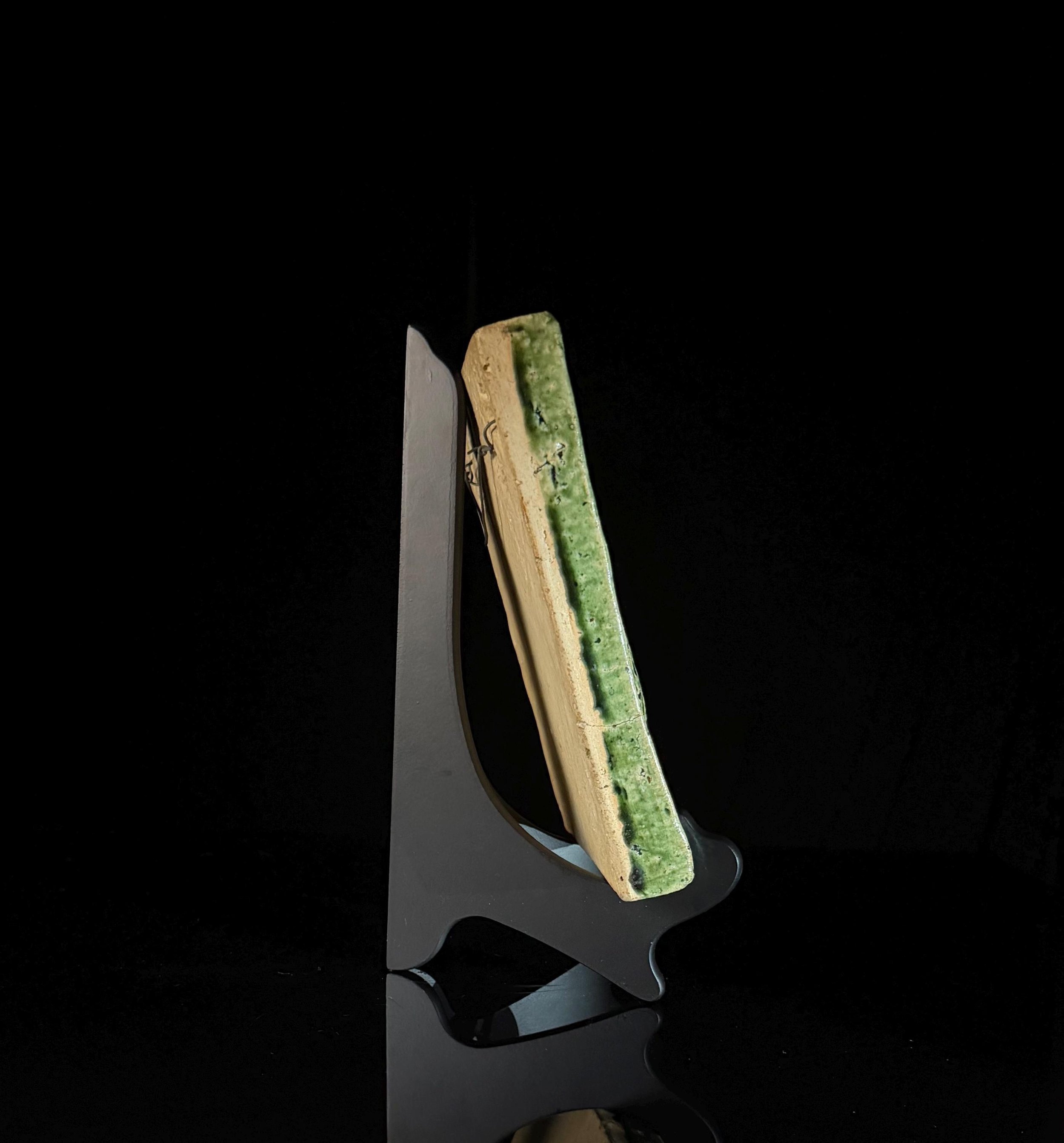 Image 3 of 5
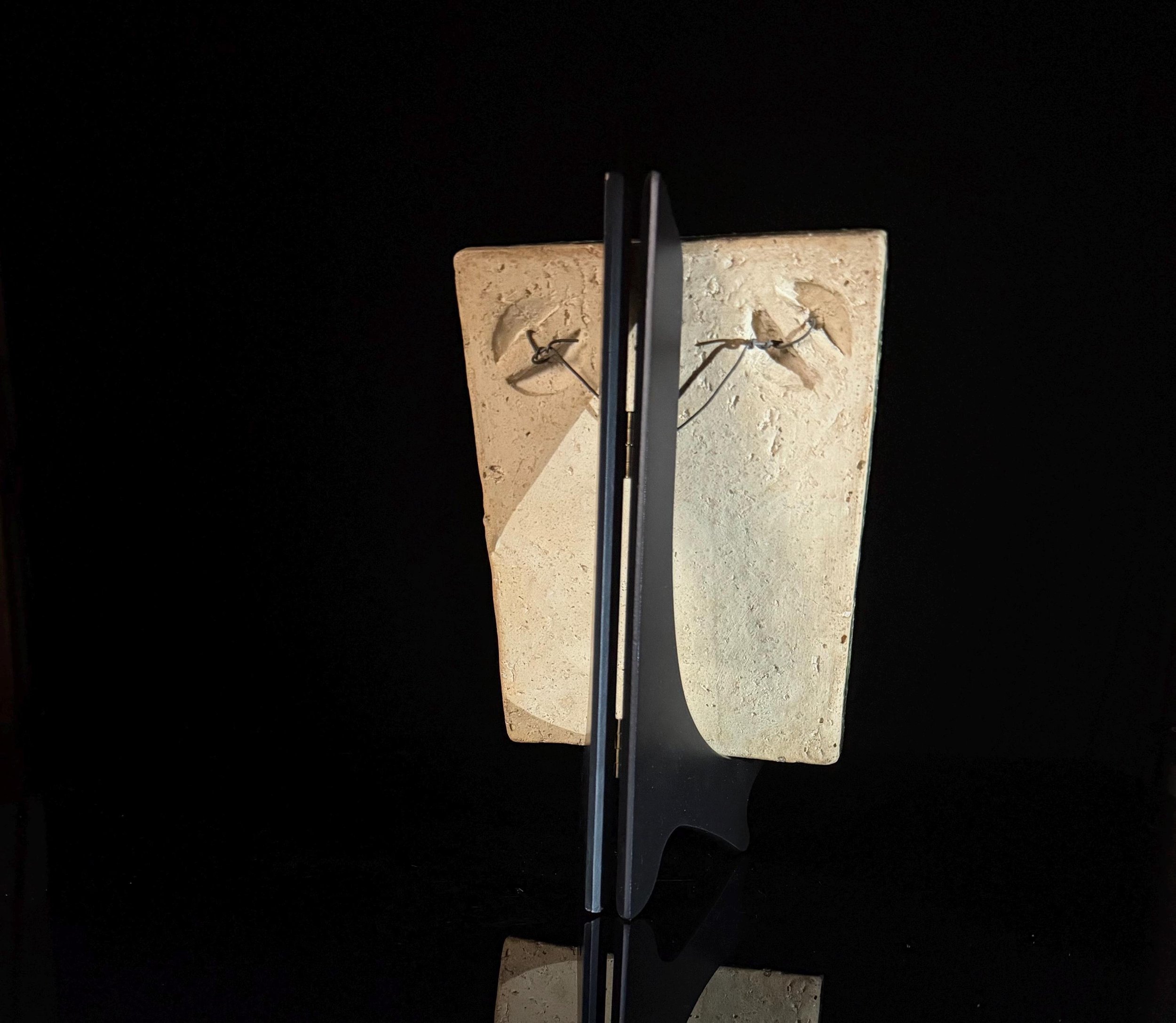 Image 4 of 5
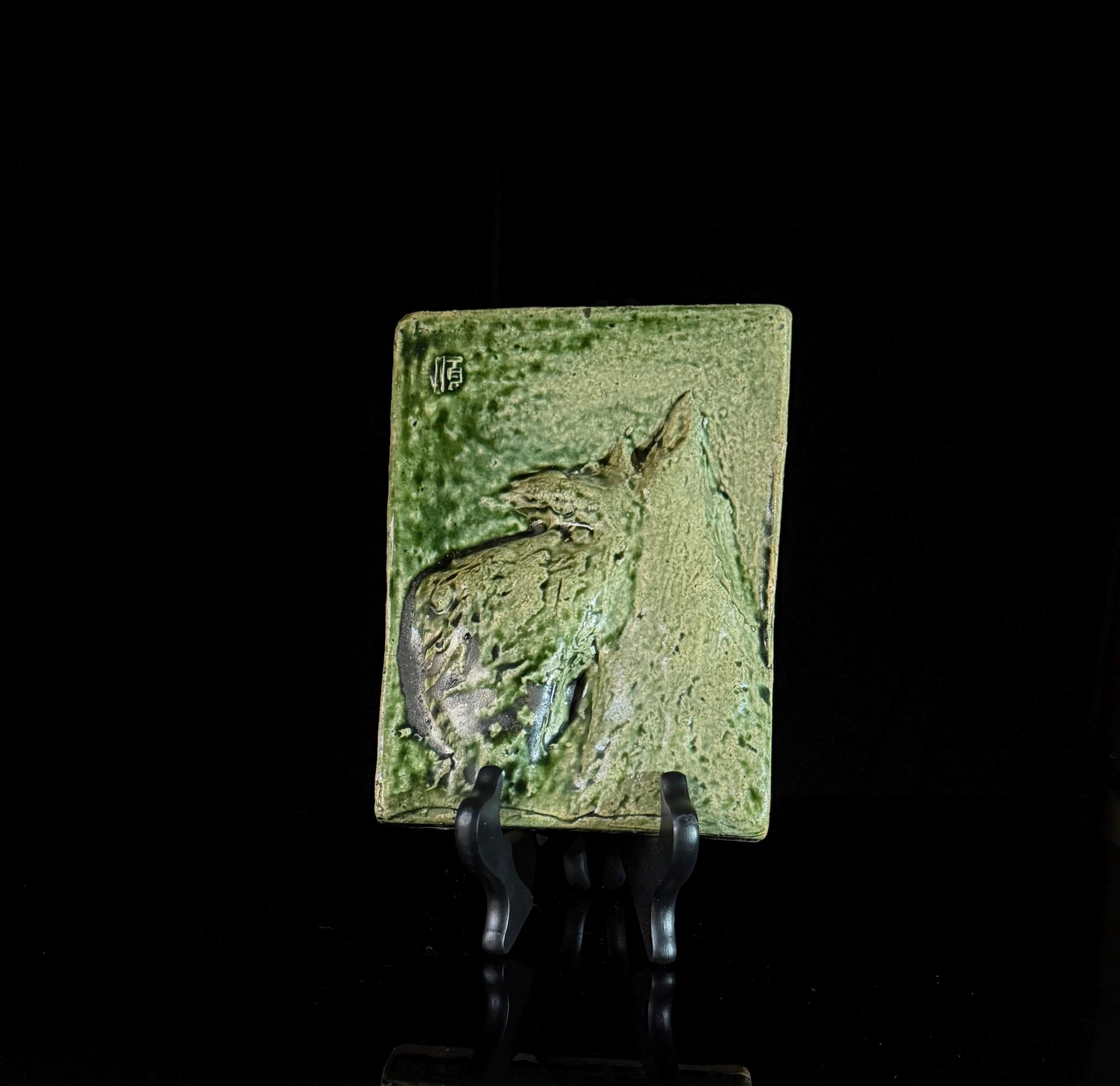 Image 5 of 5